A No BS Guide To Resume Writing

For years, people have approached me about to do a book about resume writing. When I stumbled on this website, I decided this was the perfect place to do the book I always wanted. No filler. No BS. My hope is you can leave this webpage open on your computer and go entry-by-entry, chapter-by-chapter as you write your resume, line-by-line.

16 July 2011 ~ 0 Comments

How To Use This Guide

About This Guide | Who Am I?

This may look like a website, but it’s really a guide. A guide to resume writing. You can find out more about what I’m attempting to do here by click on the above “about” and “who am I” links.

In general, each post is another chapter in my step-by-step manual that will teach you how to write a resume. The idea is you can start at Chapter 1 and move through, chapter by chapter, to learn how to write a resume in simple, clear, concise steps.

Also, this guide is a work in progress, so as I’m putting posts up, if you have questions, or feel like I’m leaving things out, please feel free to add some comments. I might revise some entries based on your comments, or I might add some sections, depending on your input.

- Brian McCullough


04 January 2012 ~ 2 Comments

When Is The Best Time To Apply For A Job – Some Data

It’s an age old question. When is the best time to respond to a job ad? Some people believe getting there first gets them a leg up, so they obsessively watch the job boards for new openings, hoping to get their resume in before anyone else. Others take a measured, respond-after-a-few-days approach.

Is there a time after the job opening is posted when it’s better to respond? If you’re going to play the odds, what gives you a better chance for success?

I didn’t know the answer to this, even after almost 15 years helping job seekers. So, this summer, using data from both ResumeWriters.com and ResumeService.com (using real world job seekers and actual job applications) I set out to find out. It took me 6 months, but I finally gathered enough data to hazard a guess.

First, I’ll share the data. Then, below the fold, I’ll discuss my methodology. Finally, I’ll speculate on why the results are what they are.

Results- There Are 4 Distinct Times After The Job Is Posted That Are Best

It turns out that there are 4 distinct periods of 72 hours when job applications seem to get the best responses. They are:

  • The 72 hours after the job is first posted.
  • The 72 hour period that marks 1 week from the time the job was first posted.
  • The 72 hour period that marks 2 weeks from the time the job was first posted.
  • The 72 hour period that marks 3 weeks from the time the job was first posted.

The charts below will illustrate this.

Job Search Data

Click for a full size image.

The numbers at the bottom of each chart show the number of days elapsed since the time the job ad was first posted. [...]

30 November 2011 ~ 2 Comments

Google Voice Is The Best New Job Search Tool In Years!

For a couple of years now, I’ve been suggesting job seekers use Google Voice as a job seeking tool. Just a few weeks ago, I mentioned how an enterprising job seeker had used Google Voice in a way I had never thought of before.

It seems that more and more job seekers are using Google Voice. And so, I thought I’d do a quick primer about how you too can use Google Voice, and how it might be the best new tool available to job seekers in many years.

First of all, if you’re not familiar with Google Voice, here are a couple of primers. Also, Lifehacker has a great rundown of the different features and tweaks here[...]

07 November 2011 ~ 1 Comment

Don’t Neglect Your Voicemail. It’s A Supplementary Resume!

Having spent the better part of two decades helping people land new jobs, I sometimes think I’ve seen (or thought of) it all. But just this weekend, a new job search tip presented itself that I’m sorry to say I’d never thought of before.

What happened was, I had to call a client back to go over some final tweaks to their resume. The client wasn’t available, so I got his voicemail. To my surprise, the voicemail seemed to address me, and his job search, directly. I’ll paraphrase what it said (obviously changing some details for the sake of privacy):

Hello, this is John C. Doe, Project Engineer. I thank you for contacting me about a possible opening at your firm. I’m eager to speak with you and tell you more about my 20 plus years of project management experience. You’ve reached me at 555-555-5555, but you can also try my home number which is 555-555-5555. I look forward to speaking with you and learning more about your team.

Obviously, this message was more than the usual “I’m not here, leave a message” greeting most of us leave on our voicemails. When I finally got the client on the phone, I asked him why he had recorded a special voicemail just for his job search.

“I figure that’s the first real interaction I’d have with an employer,” he told me. “I wanted to make sure my first impression to the employer would be as professional as we’re making this resume. I’m sort of thinking of my voicemail greeting as a supplementary resume.” [...]

26 October 2011 ~ 0 Comments

Your Final Draft Should Never Be Your Final Draft

So now you have the final draft of your resume. That’s it. You’re done. Right?

Wrong.

Hopefully the resume we’ve just written will be a solid foundation to use to apply to every job you see. But every job is different. And every job application might require you to tweak your resume to make the best submission.

One of the biggest mistakes I see jobseekers make is when they send the same one-size-fits-all resume to each and every job they apply to. This is no good.

Employers like to see you’ve done your homework. And they have taken pains to describe exactly the sort of candidate that they want for the position. If you don’t tailor your resume to at least make an attempt to match the sort of candidate they’re looking for, then at best you won’t qualify and at worst you look like you’re not paying attention.

This doesn’t mean that you have to rewrite your resume wholesale each time you send it in to a new position. A tweak here or there might be enough.

Let me give you an example. [...]

26 October 2011 ~ 1 Comment

What Your Resume Should Look Like

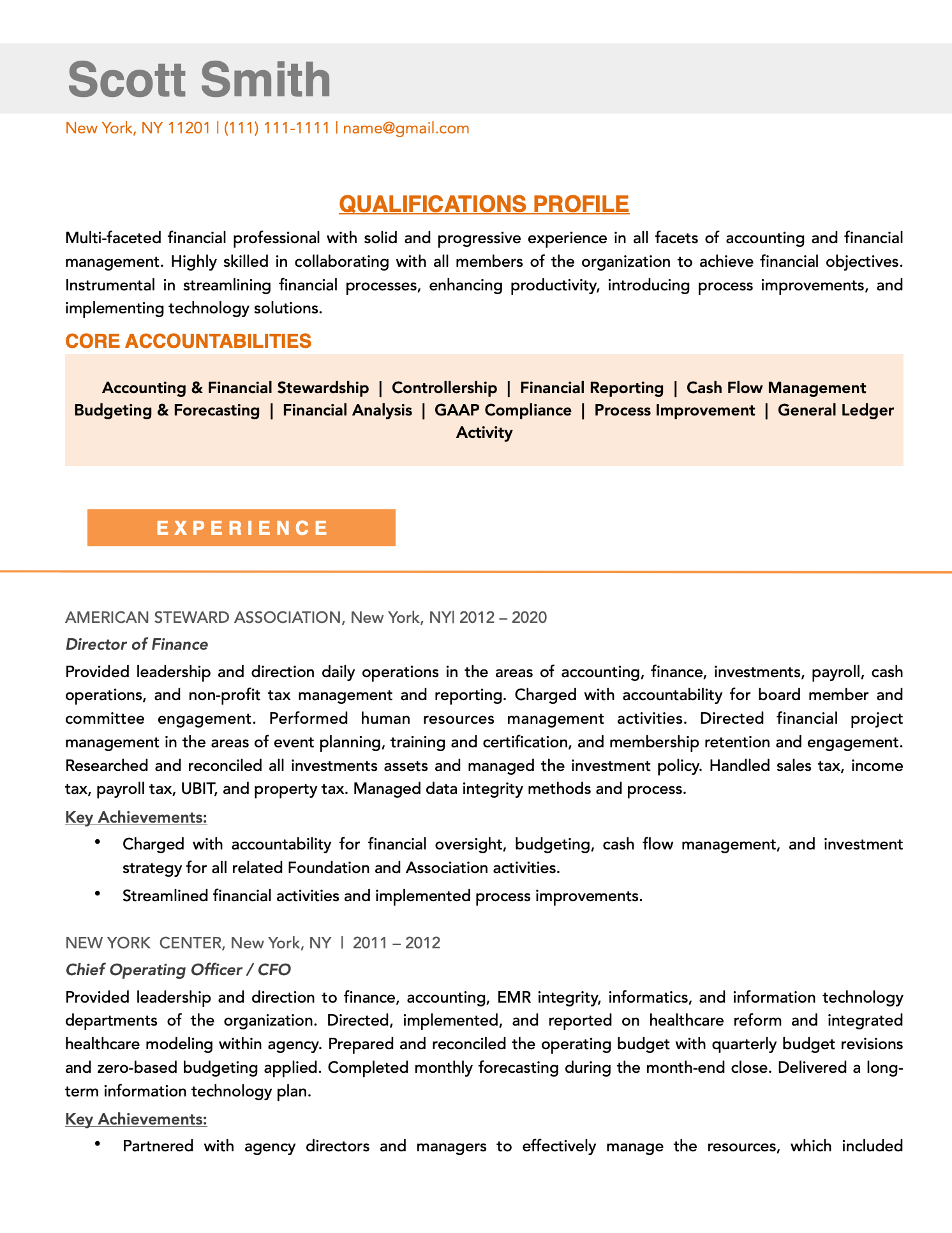
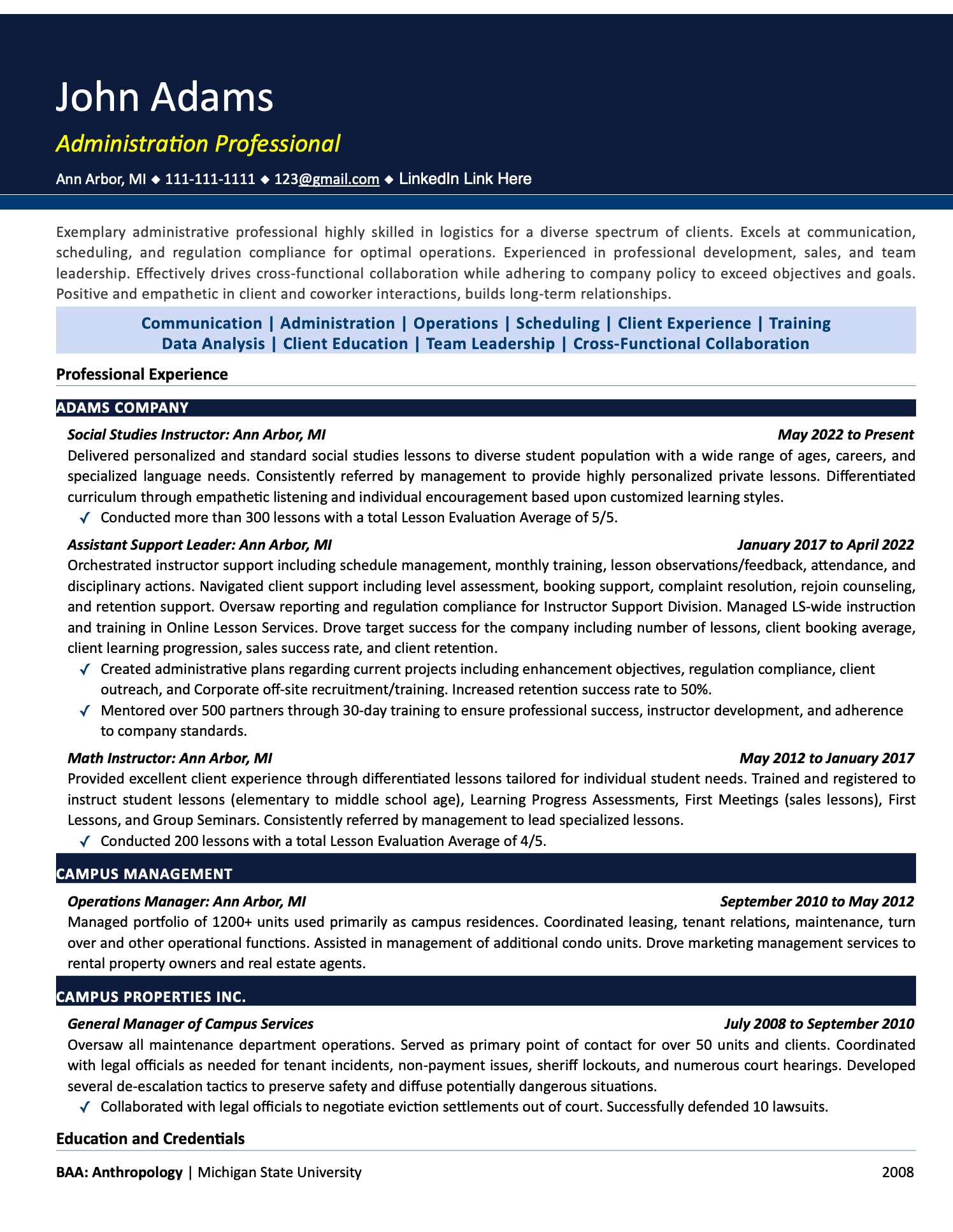
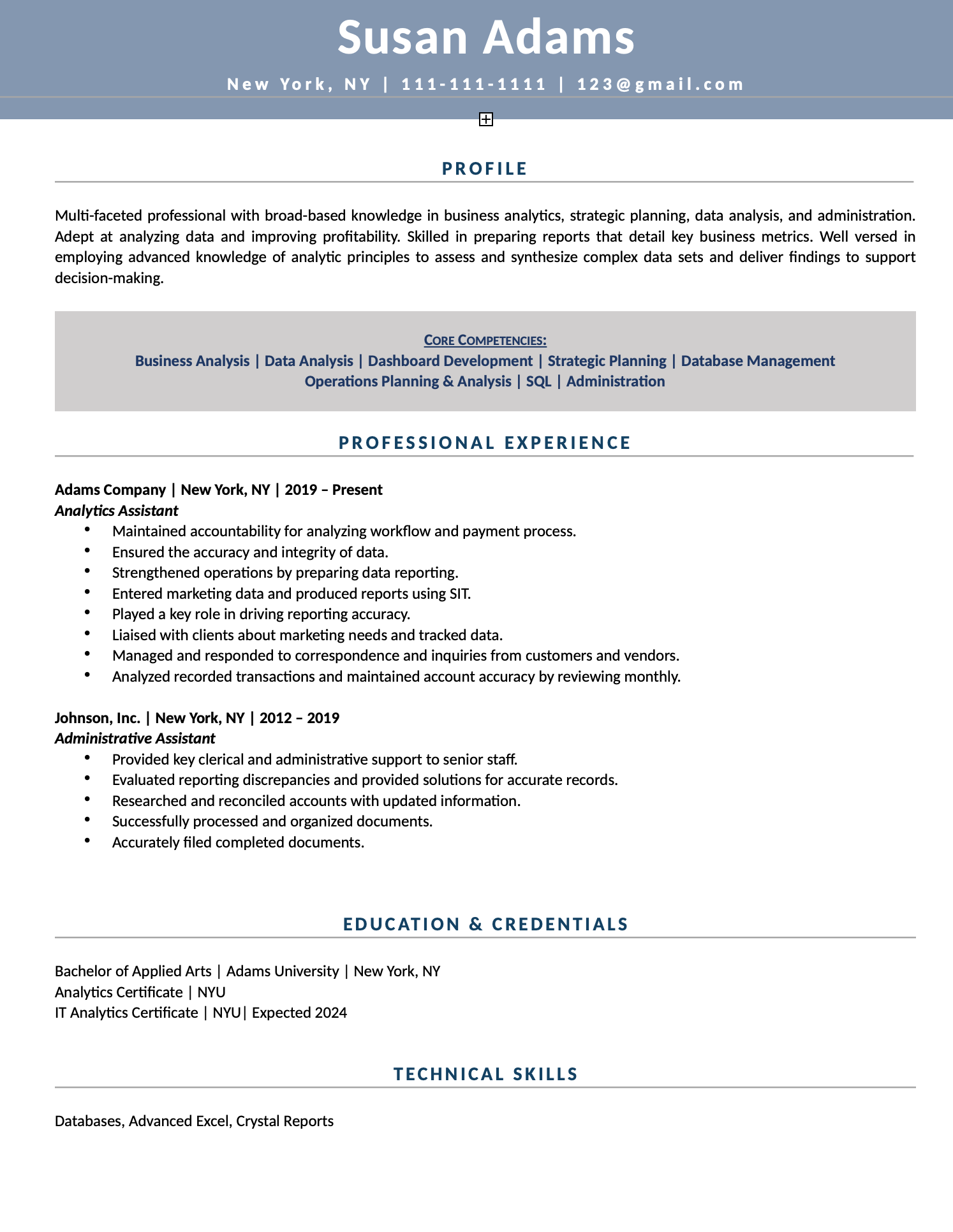
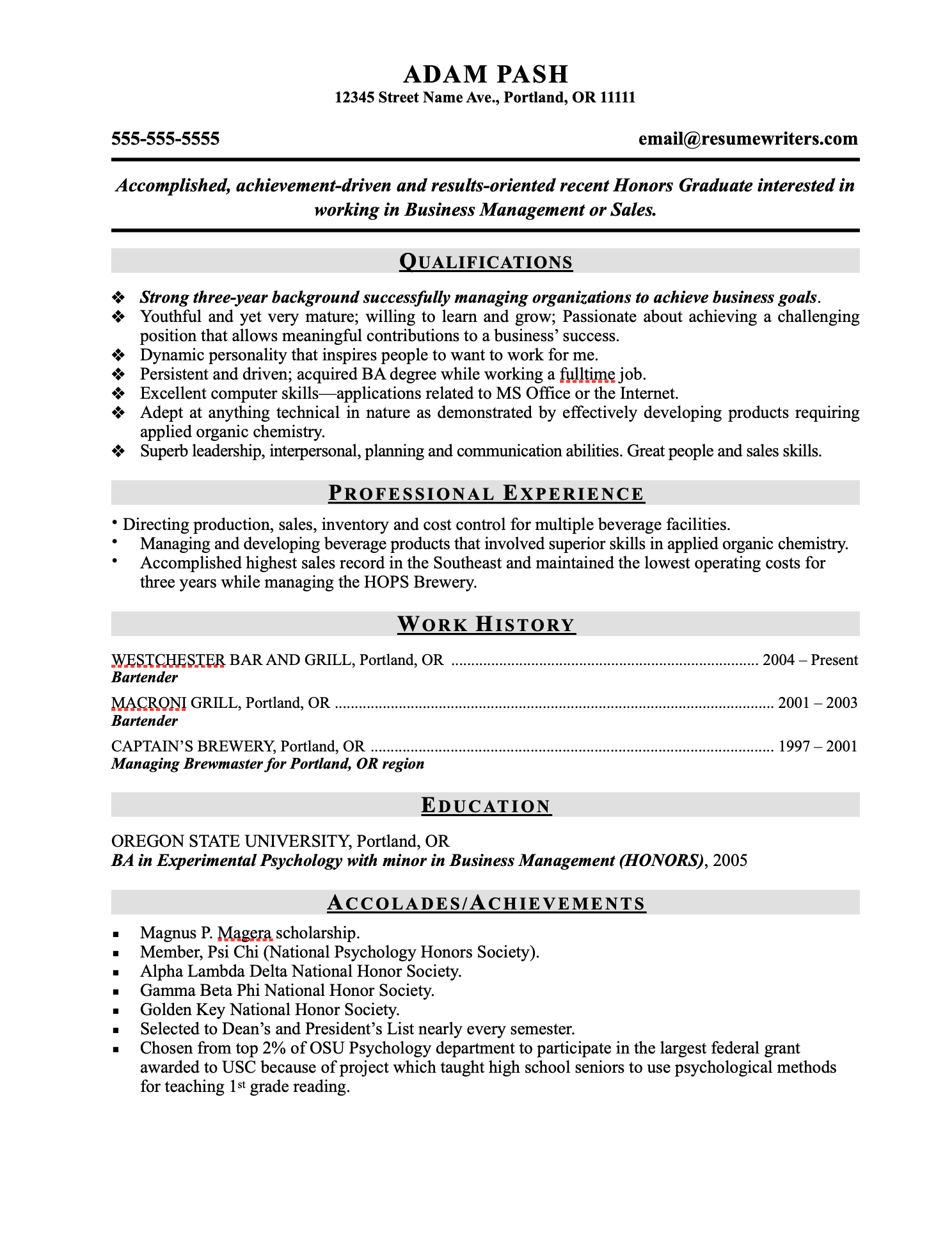
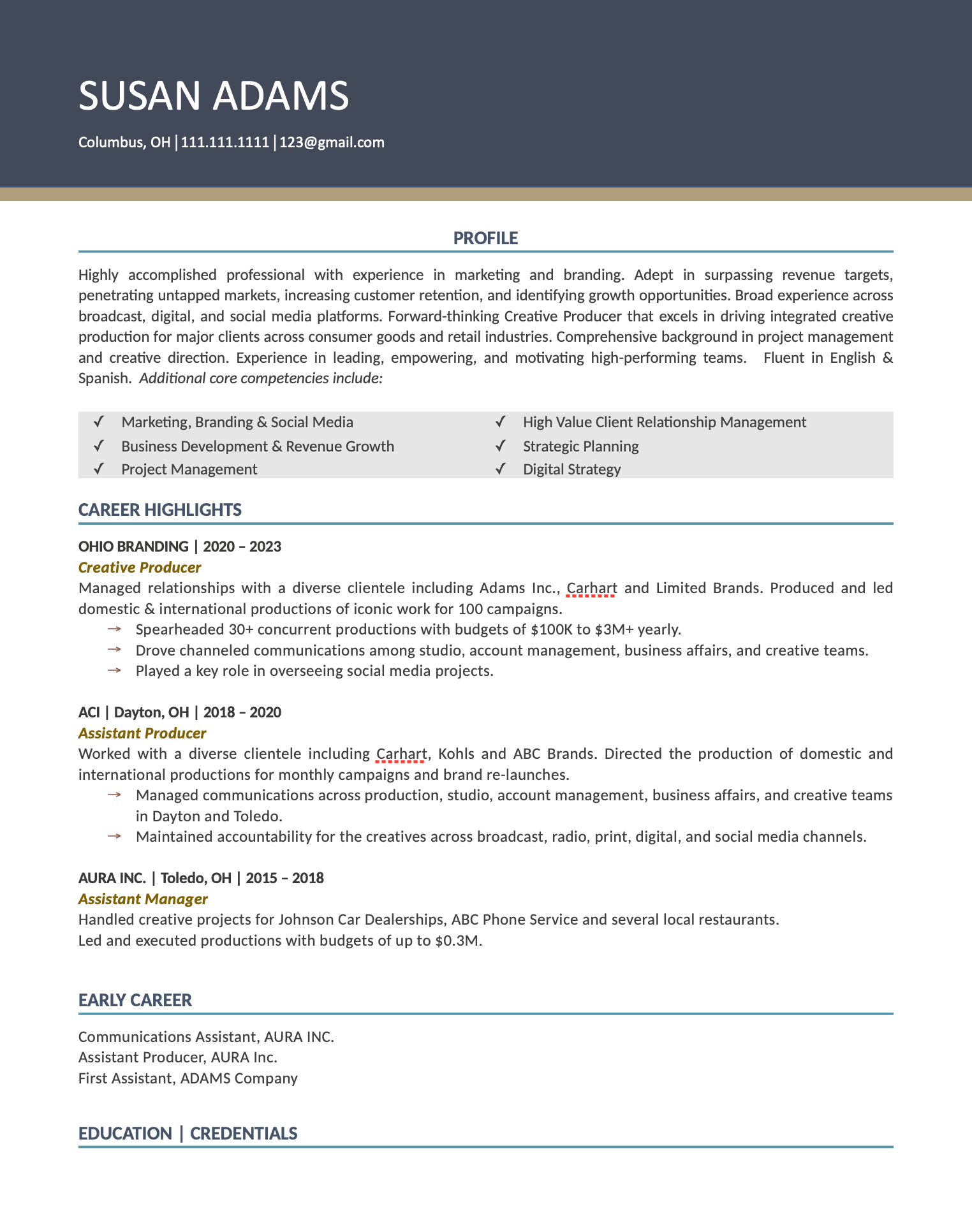
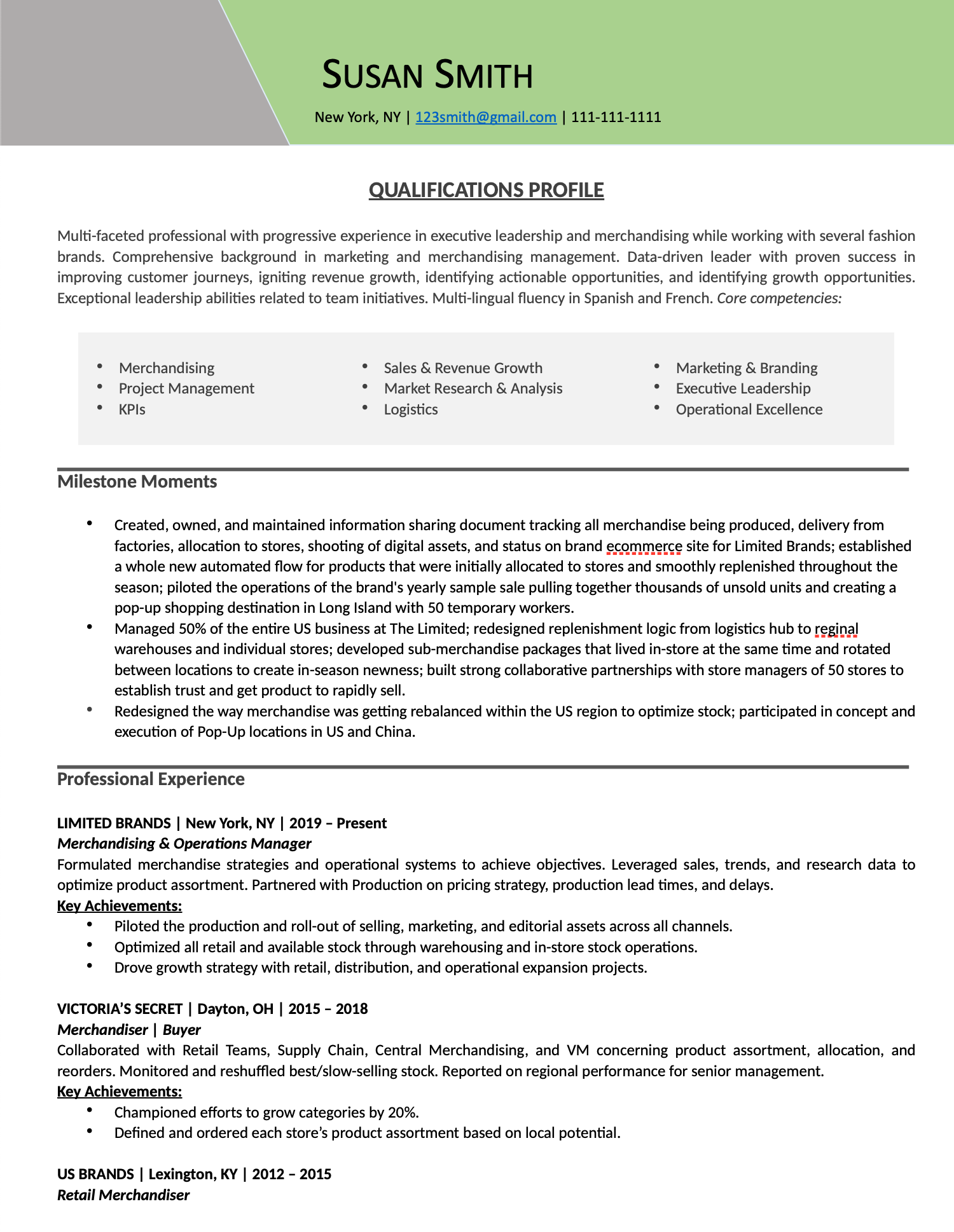
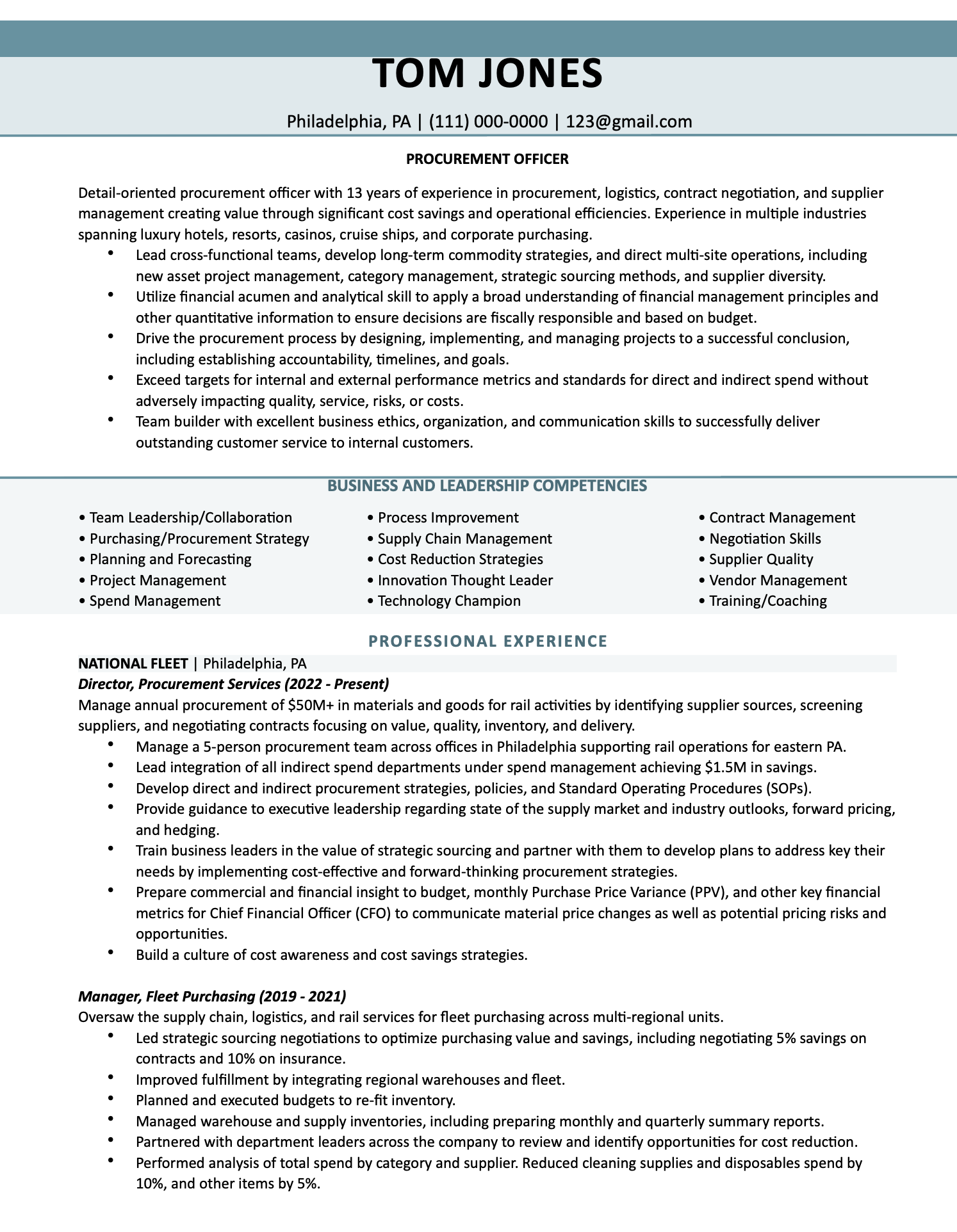
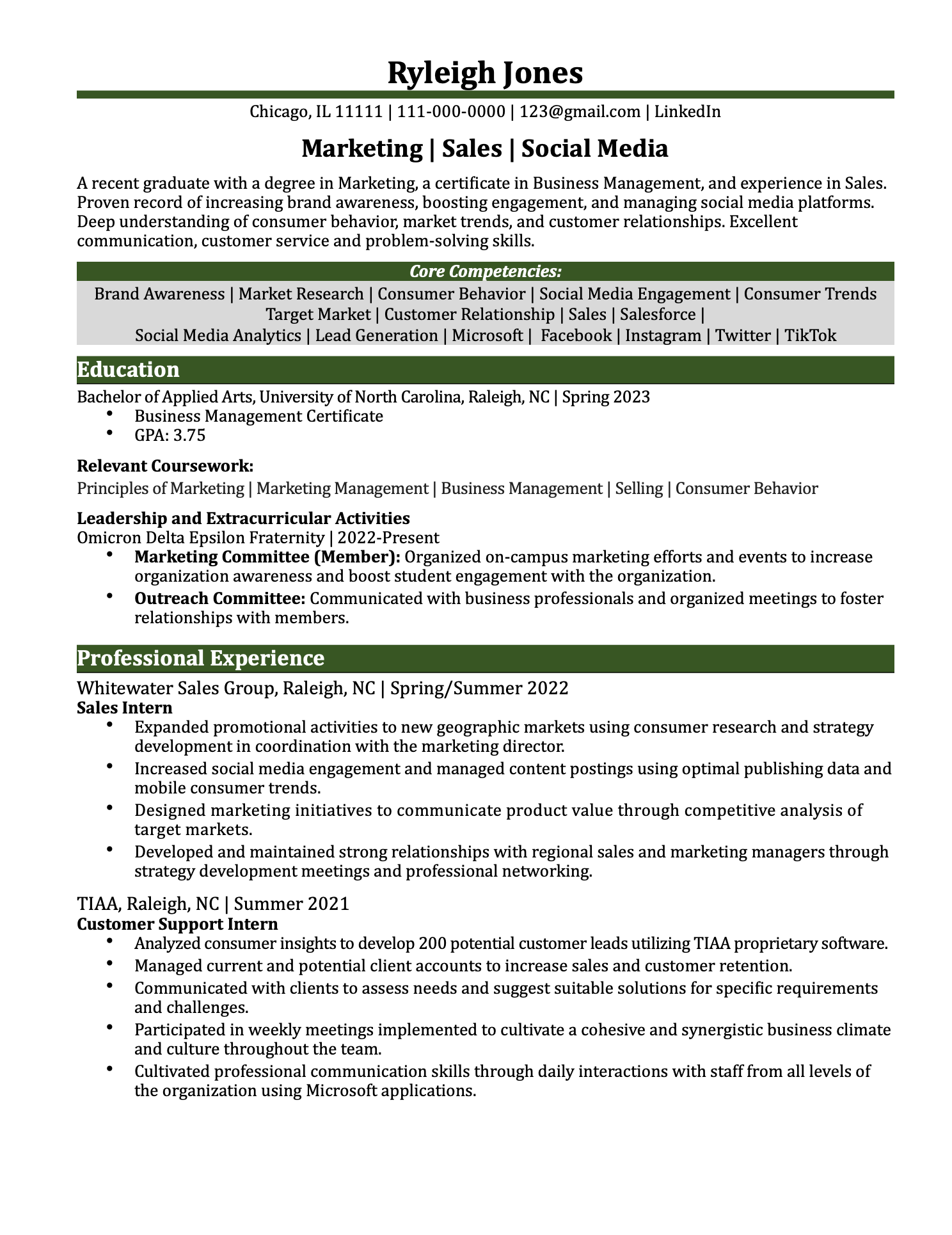
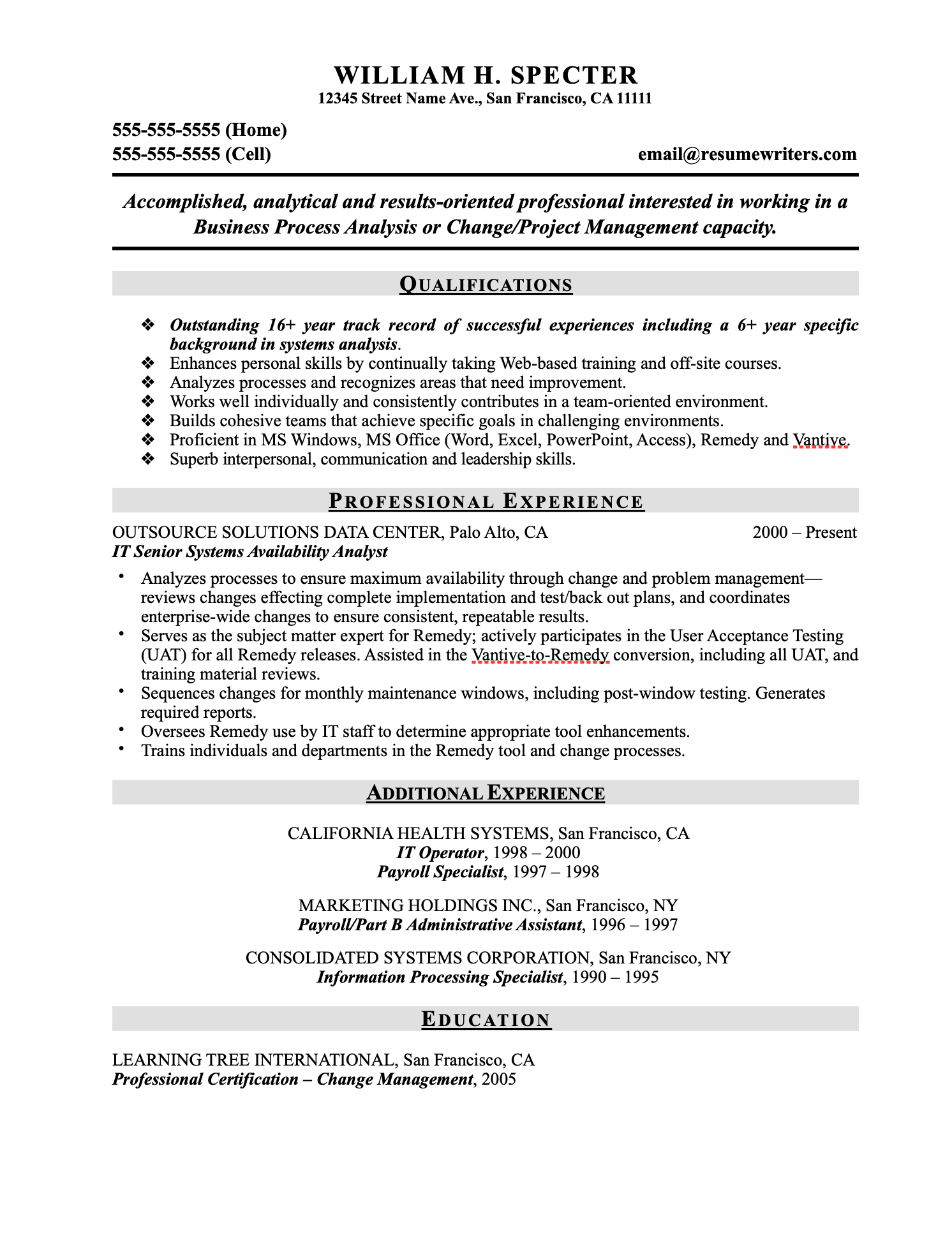
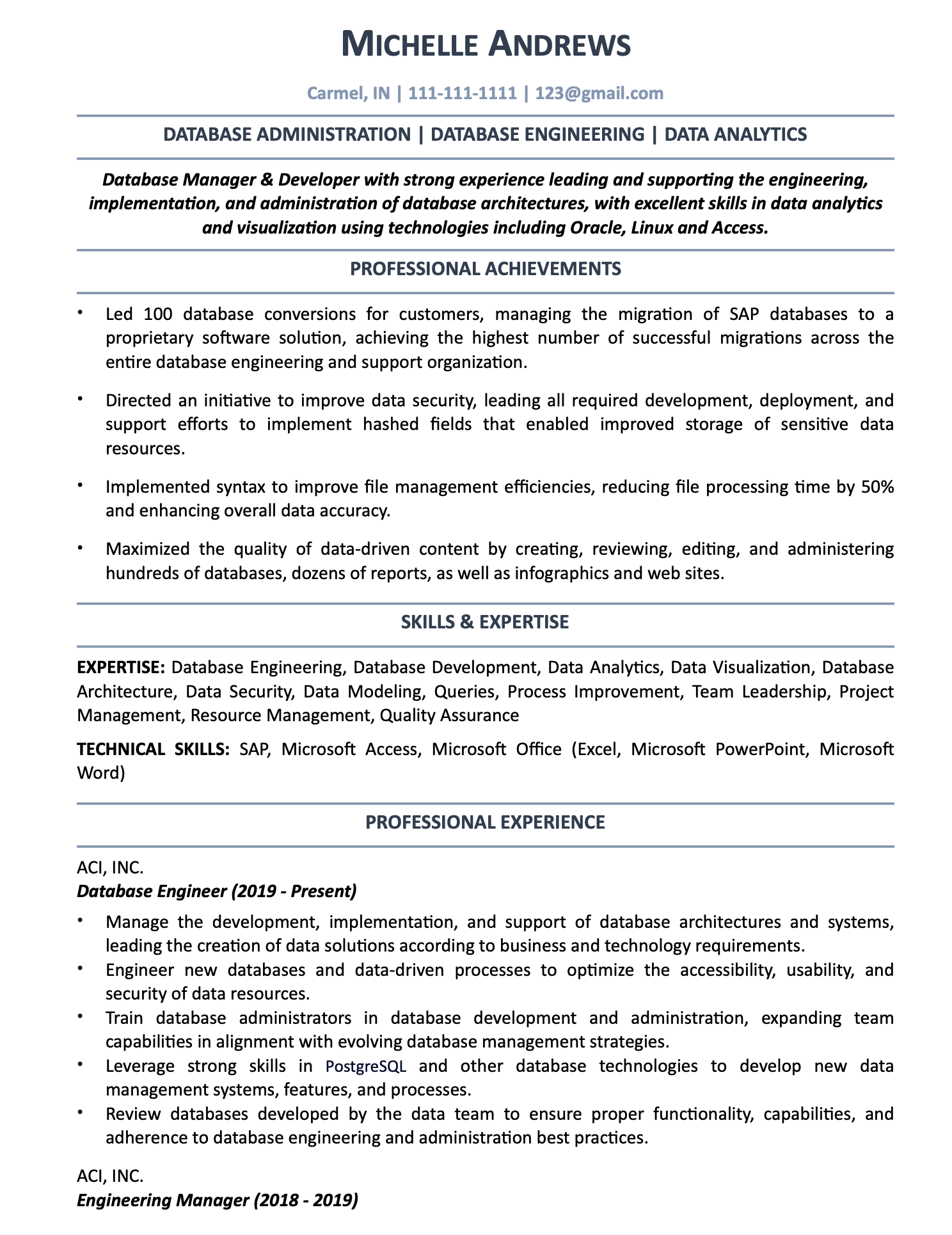
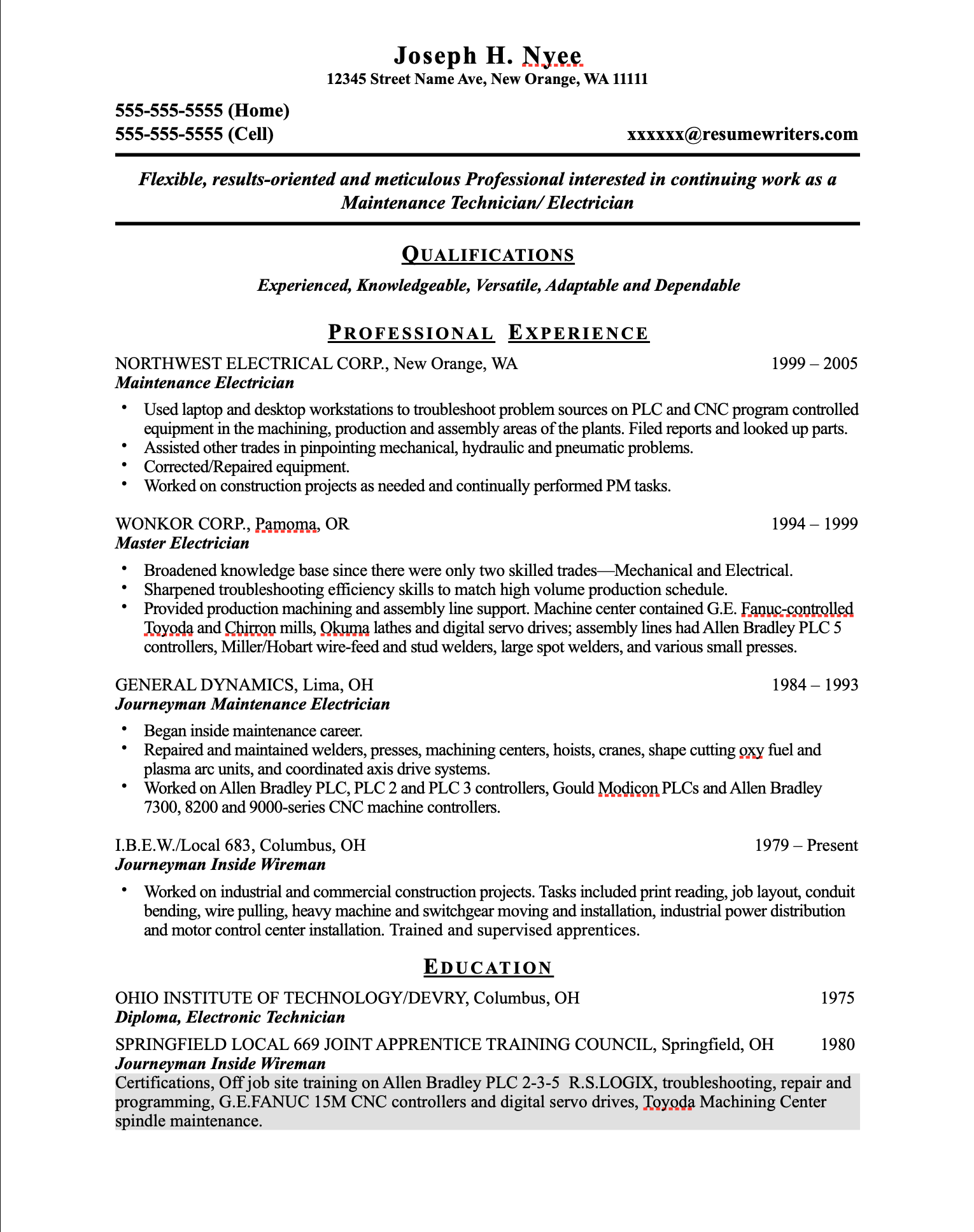
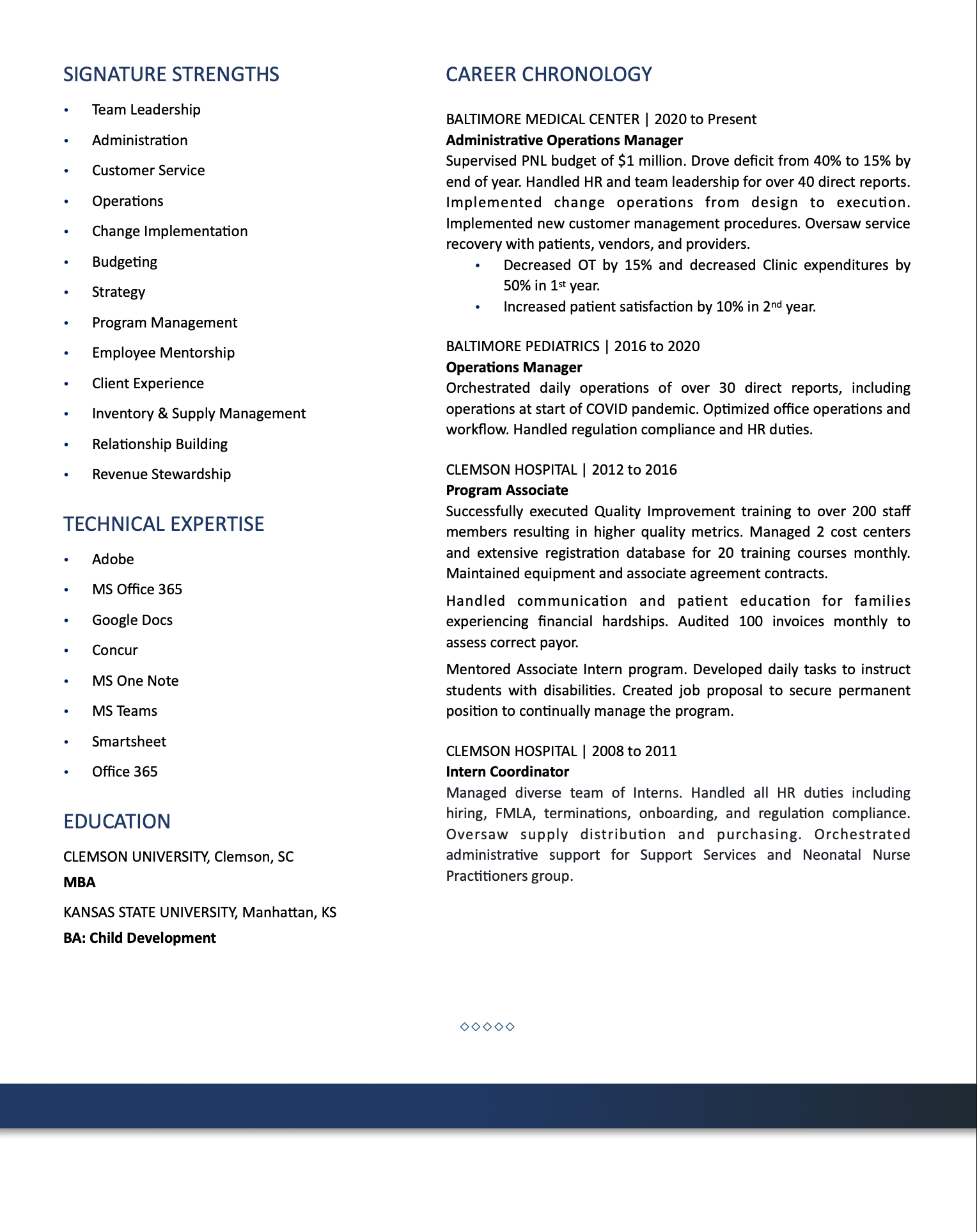
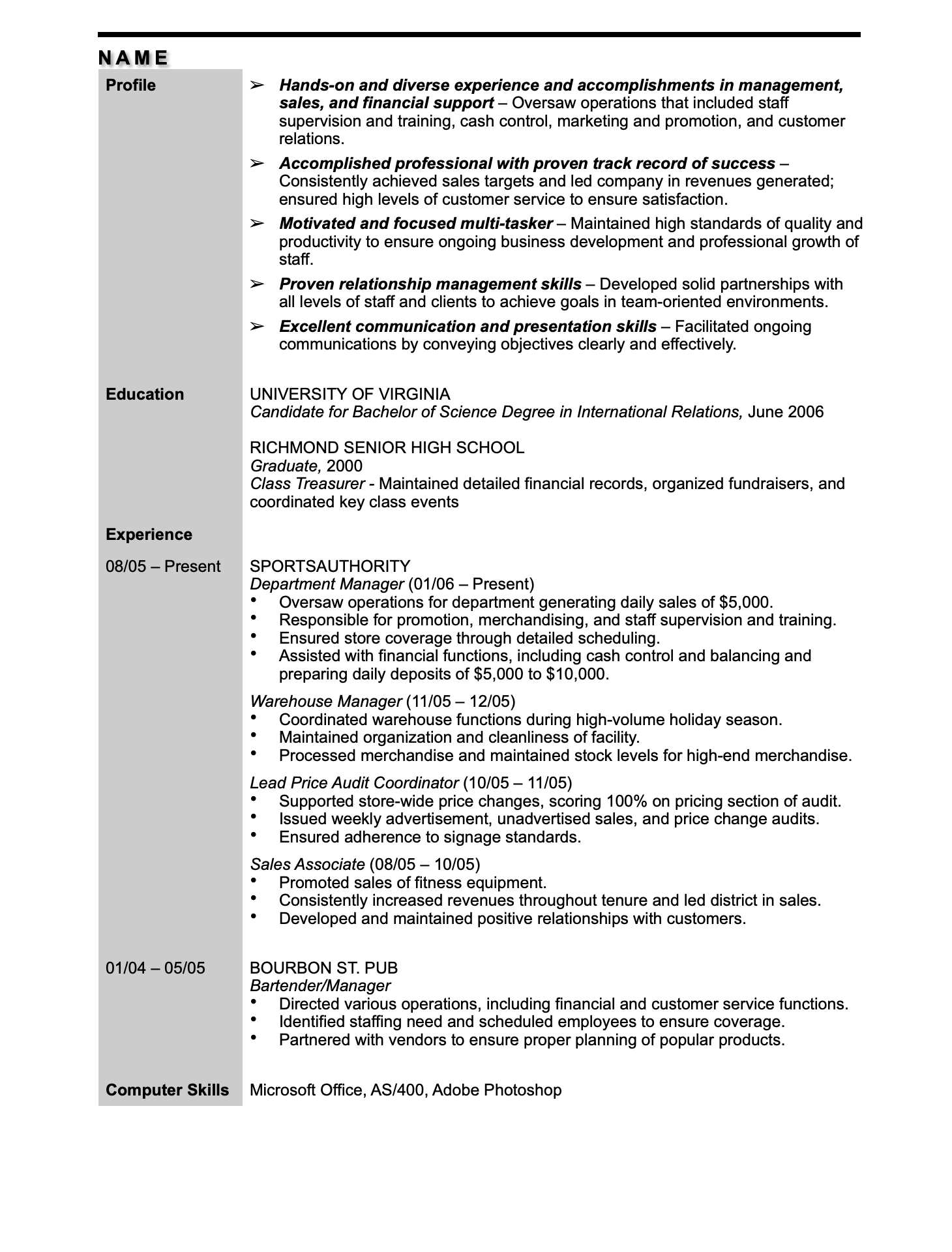
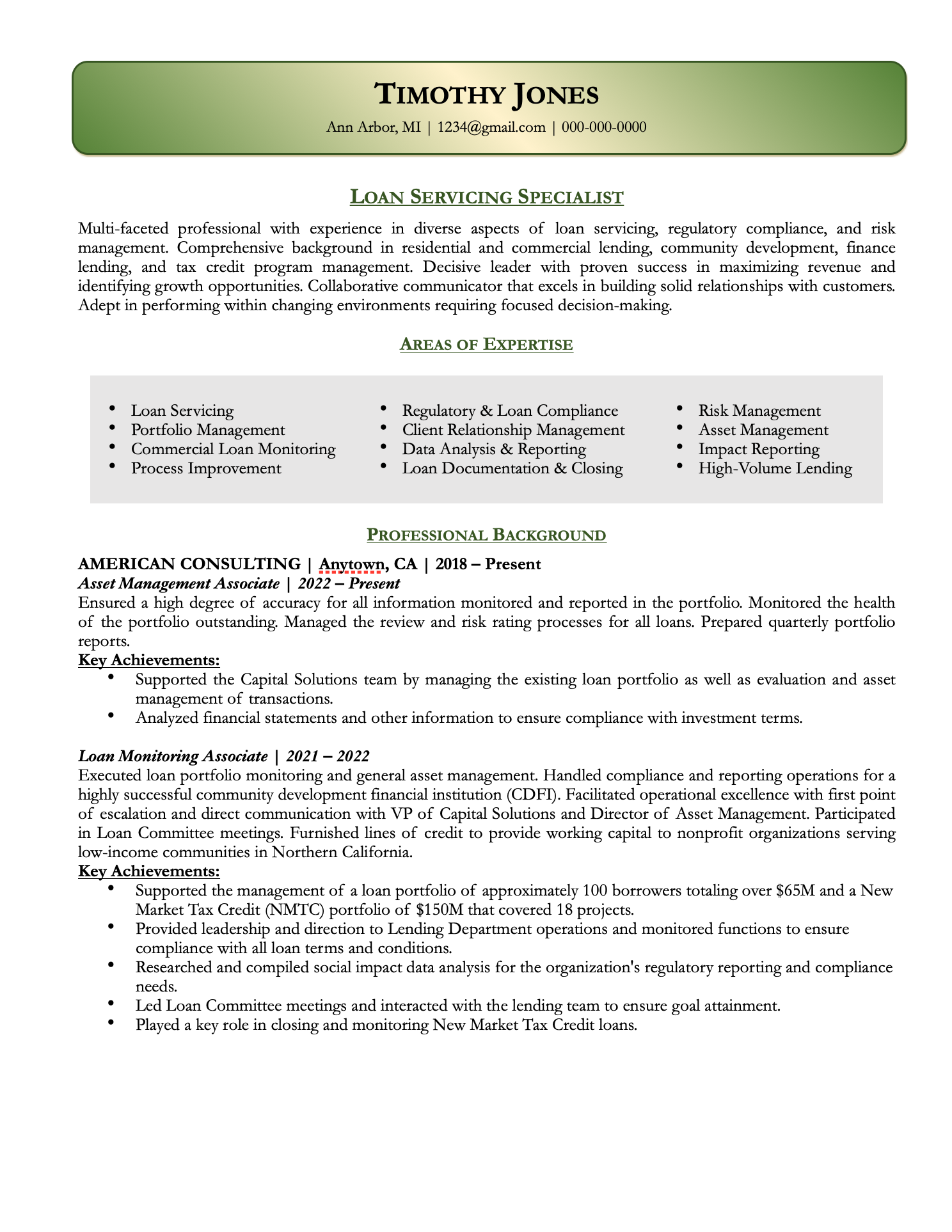
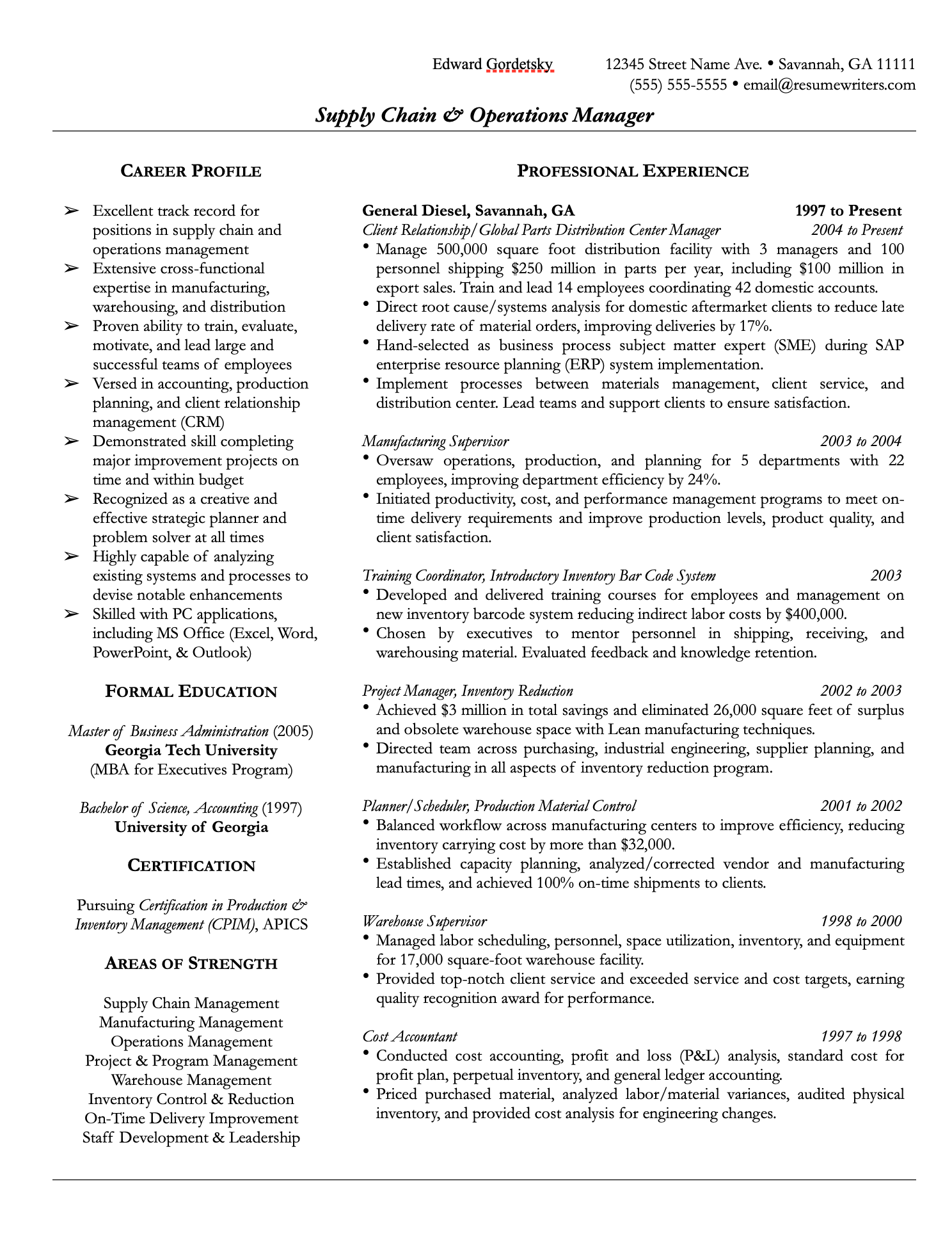
So, if you’ve followed my directions in this guide, your resume should look something roughly like this:

This would be the resume as one page:

And this would be the resume as a two-pager: [...]